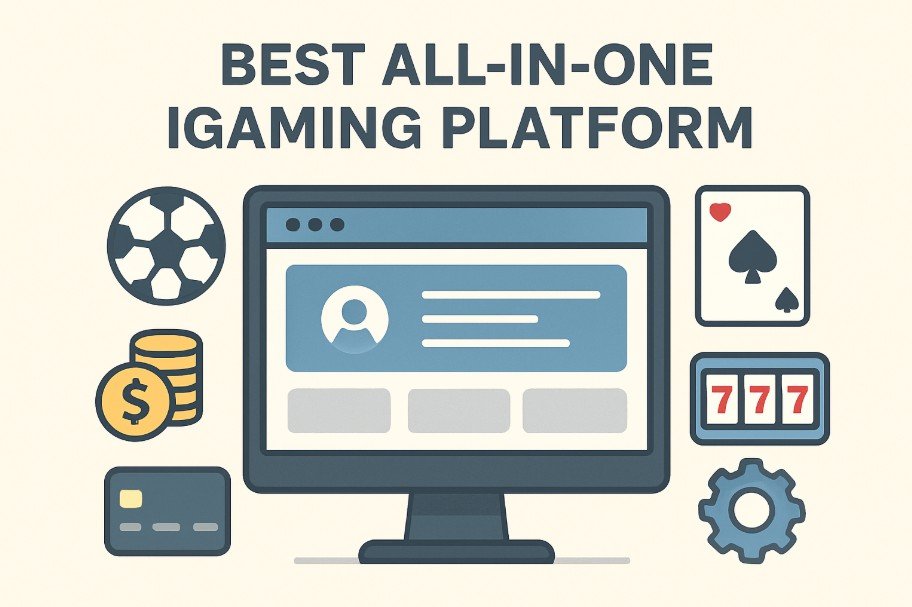
The iGaming world has expanded quickly. New platforms appear every year, offering different mixes of sports coverage, casino games, virtuals, and management tools. Because of this growth, the phrase “all-in-one iGaming platform” has become common. But what does it actually mean, and what makes one platform better than another?
This guide walks through the idea in a simple, clear way. It focuses on how these platforms work behind the scenes, what features usually define them, and why businesses in the industry pay attention to them.
What Is an All-in-One iGaming Platform?
An all-in-one iGaming platform is a complete system that brings several online gaming services together in one place. Instead of relying on separate providers for sports betting, casino games, payments, or admin tools, everything runs through a unified setup.
In basic terms, it functions like a backbone. It supports the website, the games, the data feeds, the user accounts, and the reporting tools. Operators prefer it because it reduces the number of systems they need to manage.
While different companies build these platforms in their own ways, most share a few core elements that define the “all-in-one” label.
Core Features You’ll Usually Find
1. Multi-Product Game Integration
A strong platform typically supports several gaming categories under one framework. This can include sports data feeds, virtual games, live casino modules, slots, and more. Instead of connecting multiple external systems manually, the operator gets everything pre-integrated.
2. Account and Wallet Management
Another core piece is the user account system. A unified wallet means that funds, balances, and transaction history sit in one place. It prevents the need for switching between separate balances for different game types. This feature also helps operators keep records clean and secure.
3. Payment and Transaction Handling
Most complete platforms support a range of payment methods—bank transfers, local providers, e-wallets, and sometimes digital currencies (depending on region). The key value here is centralization. All deposits, withdrawals, and logs are managed through a single dashboard.
4. Back-Office Tools
Behind the scenes, operators rely on dashboards that help track users, manage bonuses, view reports, and stay on top of system performance. A well-designed back-office makes the work smoother. It reduces the need for third-party software and gives clearer visibility of data.
5. Risk Management and Security
Since iGaming involves sensitive information, strong platforms build in security layers such as fraud checks, data encryption, and automated monitoring tools. Some also offer basic risk assessment for patterns that might signal suspicious activity.
6. Responsive Technical Support
Because these platforms run 24/7, issues can appear at any time. Reliable technical support—whether automated or through a team—is an important part of what makes a platform “complete.”
Why Operators Prefer All-in-One Solutions
Simplified Operations
Managing several disconnected systems can become complicated. A single unified platform reduces the number of vendors involved and centralizes maintenance. When everything is in one ecosystem, updates and troubleshooting become easier.
Cost Efficiency
Buying separate modules from different providers can add up. An all-in-one system often becomes more cost-effective over time because the components already work together and require less custom integration.
Faster Deployment
Launching a gaming website or expanding into new categories becomes quicker when the building blocks are ready-made. Operators don’t have to rebuild systems from scratch.
Consistent User Experience
A unified platform usually allows smoother navigation between sports, virtuals, and casino games. Even though users interact with many types of content, the design and experience tend to remain consistent.
How to Evaluate the Best All-in-One iGaming Platform
Choosing the “best” platform depends on what someone needs from it. Different operators value different things. Still, a few general factors help evaluate quality:
1. Stability and Performance
A good platform should load reliably, handle heavy traffic, and remain stable during peak periods. This is usually the most important factor in day-to-day operations.
2. Range of Supported Products
Some platforms focus heavily on sports, while others lean toward casino games. The best ones maintain a balanced mix with steady updates.
3. Flexibility and Customization
Operators often want the freedom to adjust features, layout, or available games. A strong platform makes customization possible without breaking the system.
4. Local Market Compatibility
Regions have different rules, payment methods, and user habits. A platform that works well in one area may not automatically fit another. Compatibility matters.
5. Long-Term Maintainability
A system that is easy to update, expand, and maintain tends to last longer. A platform should grow along with the operator’s needs.
Conclusion.
“All-in-one iGaming platform” is a broad term, but its meaning becomes clearer when you look at the components behind it. At the core, it’s a single system that brings many tools together—games, data, payments, security, and management dashboards.
Understanding how these platforms work helps anyone exploring the iGaming industry see the bigger picture. Instead of focusing on individual game modules, it becomes easier to see how the technology fits together and why unified systems have become the standard for many operators.
If you’d like a shorter version, a comparison table, or a follow-up article on platform features or architecture, I can help with that.