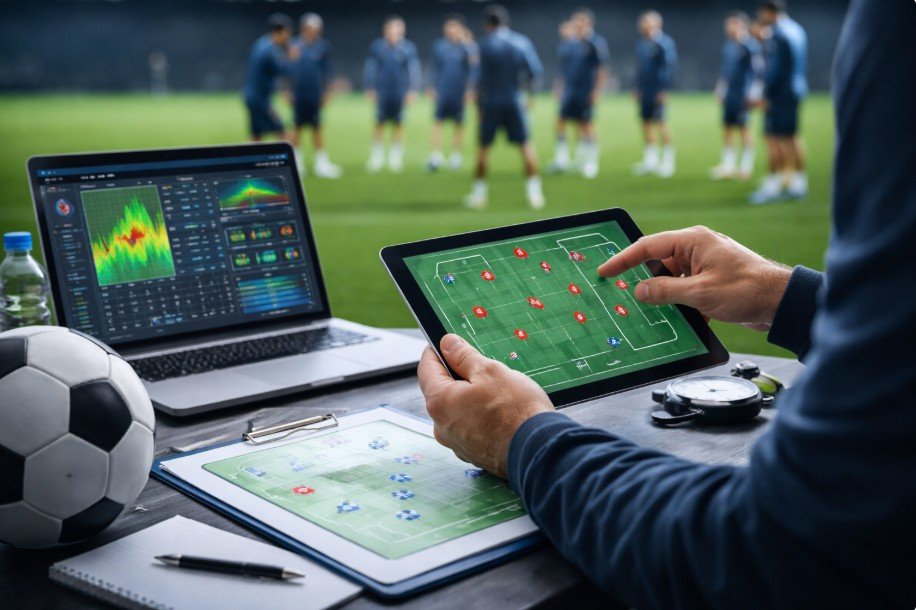
Preparing for a match used to be simple. Coaches watched previous games, players trained hard, and tactics were often based on experience and instinct. Today, things are very different. Technology has quietly become part of almost every stage of match preparation, from training sessions to team talks before kickoff.
This change has not happened overnight. It has grown steadily as tools became more affordable, easier to use, and more accurate. What matters most is not the technology itself, but how it helps teams understand the game better and prepare more effectively.
The Shift From Guesswork to Data
One of the biggest changes technology has brought to match preparation is the move away from guesswork. Decisions that were once based mainly on feeling are now supported by data.
Performance Data and Player Tracking
Modern teams use tracking systems to collect information on players during training and matches. These systems measure things like distance covered, sprint speed, heart rate, and recovery time. Coaches can see how hard a player is working and whether they are at risk of fatigue or injury.
This information helps coaches plan training sessions more wisely. Instead of pushing everyone equally, they can adjust workloads for each player. A tired player may get lighter training, while another might be pushed a bit more. Over time, this leads to better fitness and fewer injuries.
Understand Strengths and Weaknesses
Data also helps teams understand what they do well and where they struggle. For example, a team might discover they lose the ball often when playing out from the back or that they are strongest when attacking from the wings.
With this knowledge, training sessions can focus on real problems instead of general drills. Match preparation becomes more targeted and practical.
Video Analysis: Seeing the Game Clearly
Video analysis has become one of the most important tools in modern match preparation. Watching games back is not new, but technology has made it far more detailed and useful.
Breaking Down Opponents
Coaches now use video software to study opponents closely. They can analyze how a team defends corners, how their fullbacks push forward, or how their midfield presses.
Instead of watching full matches again and again, coaches can quickly jump to key moments. This saves time and allows them to prepare clear game plans. Players also benefit because instructions are supported by visual examples, which are easier to understand.
Improving Player Awareness
Players can watch clips of their own performances to see what they did right or wrong. This is often more effective than verbal feedback alone. When players see their positioning or decision-making on screen, lessons become clearer.
Video sessions before a match help players feel more prepared. They go into the game knowing what to expect and how to respond.
Tactical Planning With Digital Tools
Technology has also changed how teams plan tactics. Whiteboards and notebooks are still used, but many coaches now rely on digital tools.
Digital Tactics Boards
Digital tactics boards allow coaches to create formations, movements, and set-piece routines on tablets or screens. These visuals can be updated quickly and shared with the team.
This makes it easier to explain complex ideas. Players can see their roles clearly and ask questions before stepping onto the pitch.
Set-Piece Preparation
Set pieces are often decided by small details. Technology helps teams rehearse corner kicks, free kicks, and throw-ins with precision. By studying video and data, coaches can design routines that suit their players and exploit opponents’ weaknesses.
Fitness, Recovery, and Injury Prevention
Match preparation is not just about tactics. Physical readiness plays a huge role, and technology helps teams manage this side more carefully.
Monitoring Player Load
Wearable devices track how much work a player does during training and matches. This helps coaches avoid overtraining, which can lead to injuries.
By managing player load properly, teams can ensure players are fresh and sharp on match day. This is especially important during busy schedules with many games close together.
Recovery Tools
Technology also supports recovery. Ice baths, compression equipment, and recovery monitoring apps help players bounce back faster after hard sessions or matches.
Better recovery means players can train consistently and perform at a higher level when it matters most.
Communication and Team Coordination
Technology has improved communication within teams, especially during match preparation.
Sharing Information Easily
Team apps and online platforms allow coaches to share schedules, videos, and tactical notes instantly. Players can review information at home or on the move.
This keeps everyone on the same page and reduces confusion. Match preparation becomes smoother and more organized.
Mental Preparation
Some teams use technology to support mental preparation. Simple tools like focus apps, visualization videos, and performance feedback systems help players stay calm and confident before matches.
Mental readiness is often overlooked, but it can make a big difference in performance.
Keeping the Human Element
Despite all these advances, technology does not replace human judgment. Coaches, players, and team staff still make the final decisions. Technology simply provides better information to support those choices.
Good match preparation balances data with experience. The best teams use technology as a guide, not a rulebook. They understand that football is still unpredictable and that human creativity and emotion remain essential.
Conclusion.
Technology has changed match preparation in many positive ways. It has made training smarter, tactics clearer, and recovery more effective. Players are better informed, and coaches can plan with greater confidence.
At the same time, success still depends on how well teams use these tools. Technology works best when it supports clear thinking, good communication, and strong teamwork.
As the game continues to evolve, technology will likely play an even bigger role. But at its core, match preparation will always be about understanding the game, respecting the opponent, and helping players perform at their best when the whistle blows.