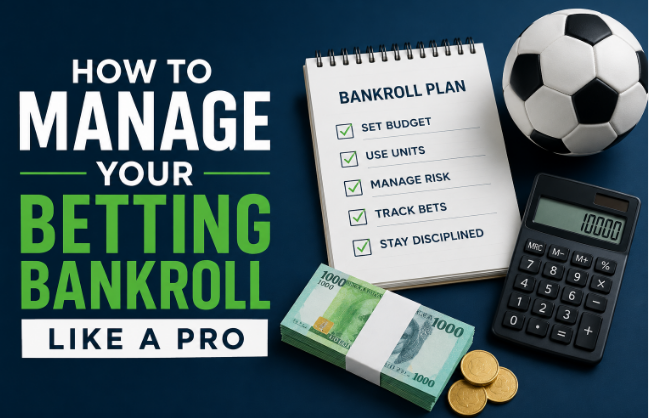
If you’ve ever placed a few bets and suddenly found your balance wiped out, you’re not alone. Most bettors don’t lose because they can’t pick games they lose because they don’t manage their money properly. That’s where bankroll management comes in.
Think of your bankroll as the fuel for your betting journey. Without a plan for how to use it, even the best predictions won’t save you in the long run. The good news? Managing your bankroll isn’t complicated. It just requires discipline and a clear approach.
Let’s break it down in a simple, practical way.
What Is a Betting Bankroll?
Your bankroll is the total amount of money you’ve set aside specifically for betting. It’s not your rent money, food budget, or emergency savings. It’s money you can afford to lose without affecting your daily life.
That distinction matters. Once you mix betting funds with essential expenses, decisions become emotional—and that’s when mistakes happen.
Why Bankroll Management Matters
A lot of people focus only on winning bets. But even professional bettors lose regularly. The difference is they know how to stay in the game long enough to recover and profit.
Proper bankroll management helps you:
- Avoid going broke after a few bad bets
- Stay consistent instead of chasing losses
- Control emotions when things don’t go your way
- Grow your balance steadily over time
Without it, betting becomes guesswork.
Set a Realistic Bankroll
Start With What You Can Afford
Before placing a single bet, decide how much you’re comfortable using as your bankroll. This could be ₦10,000, ₦50,000, or more—what matters is that it’s an amount you won’t stress over losing.
Avoid topping up your bankroll impulsively. If it’s gone, take a break and reset instead of chasing losses.
Define Your Unit Size
What Is a Unit?
A “unit” is a fixed percentage of your bankroll that you stake on each bet. Most experienced bettors use between 1% and 5% per bet.
For example:
- Bankroll: ₦20,000
- 1 unit (2%): ₦400
This means most of your bets will be around ₦400.
Why Units Matter
Using units keeps your betting consistent. Instead of randomly staking ₦500 today and ₦5,000 tomorrow, you follow a structured system.
It also protects your bankroll. Even if you lose several bets in a row, you still have enough funds to continue.
Stick to Flat Betting
Keep It Simple
Flat betting means using the same unit size for most of your bets. For example, always staking 2% per bet.
This approach helps you:
- Avoid overconfidence after wins
- Prevent panic after losses
- Stay disciplined over time
Avoid Big Swings
It’s tempting to increase your stake after a win or double your bet to recover losses. But this often leads to bigger problems.
A few bad decisions can wipe out your entire bankroll quickly. Consistency beats aggression every time.
Don’t Chase Losses
Accept Losing Streaks
Losses are part of betting. Even the best bettors go through bad runs.
Trying to win everything back immediately is one of the fastest ways to lose control. Instead:
- Stick to your unit size
- Take a break if needed
- Review your strategy calmly
Stay Patient
Bankroll growth takes time. There’s no need to rush or force bets. Sometimes the best move is not betting at all.
Track Your Bets
Keep a Simple Record
You don’t need anything fancy—just a notebook or spreadsheet where you track:
- The match or event
- Your stake
- Odds
- Outcome (win/loss)
- Profit or loss
Why Tracking Helps
Tracking your bets shows you what’s working and what isn’t. You might notice patterns, like:
- Certain leagues you perform better in
- Bet types that are more profitable
- Mistakes you repeat
This turns betting into a learning process instead of pure luck.
Focus on Value, Not Just Wins
What Is Value Betting?
A “value bet” is when the odds offered are higher than the actual probability of an outcome happening.
You won’t win every value bet—but over time, this approach gives you an edge.
Avoid Random Betting
Placing bets just because a match is popular or you “feel lucky” leads to inconsistent results.
Instead, look for:
- Reasonable odds
- Logical analysis
- Clear reasoning behind your pick
Set Limits and Goals
Know When to Stop
It’s important to set boundaries, such as:
- Daily or weekly loss limits
- Profit targets
For example:
- Stop betting after losing 10% of your bankroll
- Take profit after reaching a certain gain
Avoid Over-Betting
More bets don’t mean more profit. In fact, too many bets often lead to more losses.
Quality is better than quantity.
Control Your Emotions
Stay Calm
Betting can be emotional—especially during live games or after a loss. But decisions made in frustration or excitement are rarely good ones.
If you feel:
- Angry after a loss
- Overconfident after a win
Take a step back.
Treat It Like a Long Game
Professional bettors don’t think in terms of one match. They think in terms of hundreds of bets over time.
That mindset keeps things steady and reduces emotional decisions.
Common Mistakes to Avoid
Here are a few habits that ruin bankrolls quickly:
- Betting without a plan
- Increasing stakes randomly
- Chasing losses
- Ignoring records and performance
- Using money meant for other expenses
Avoiding these mistakes puts you ahead of most casual bettors.
Final Thoughts
Managing your betting bankroll isn’t about being perfect—it’s about being consistent. You don’t need complex systems or advanced strategies to get it right.
Start with the basics:
- Set a clear bankroll
- Use fixed units
- Stay disciplined
- Track your progress
Over time, these simple habits can make a big difference.
Betting should feel controlled, not stressful. Once you master your bankroll, everything else becomes easier to handle.